

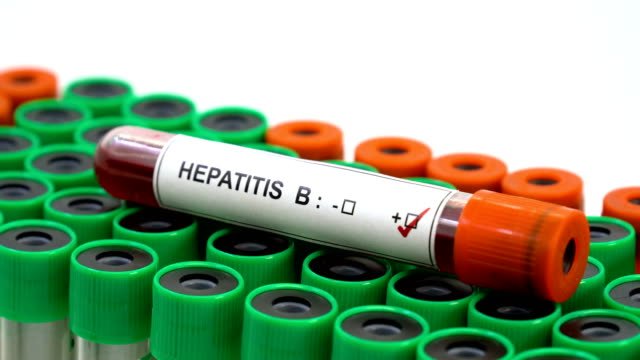
Hepatitis B is a serious liver infection caused by the hepatitis B virus (HBV). It’s a common disease in Cameroon, affecting an estimated 2.3 million people – or about 5% of the population. The disease is most common in rural areas, where access to clean water and sanitation is limited. Children and pregnant women are at the highest risk of infection, but anyone can get hepatitis B.
Infection
So, hepatitis B is usually spread through contact with blood or other bodily fluids that contain the virus. This can happen through contaminated needles, blood transfusions, or sexual contact. In Cameroon, the disease is also often spread through contaminated food and water. In addition, many people in Cameroon are unaware of the risks of hepatitis B, so they don’t take the necessary precautions to prevent infection.
symptoms
We Will start by explaining the short-term effects of hepatitis B. The most common symptoms are fever, fatigue, and loss of appetite. Some people may also experience nausea, vomiting, or abdominal pain. Most people with acute hepatitis B (the short-term form of the disease) recover fully without any lasting problems. However, a small number of people can develop a more serious, long-term form of the disease.
The long-term effects of hepatitis B can be very serious. People with chronic hepatitis B (the long-term form of the disease) may develop cirrhosis, which is scarring of the liver. They may also develop liver cancer. In fact, hepatitis B is the leading cause of liver cancer in the world. People with chronic hepatitis B are also at an increased risk of developing other diseases, such as HIV and kidney disease.
In summary, hepatitis B is a serious disease with potentially life-threatening consequences. However, it’s also a preventable disease. By practicing safe sex, avoiding blood transfusions, and getting vaccinated, people can greatly reduce their risk of getting the disease. With proper treatment, most people with chronic hepatitis B can lead healthy lives. And with widespread vaccination, we may one day see an end to this disease.


It’s a serious threat!