

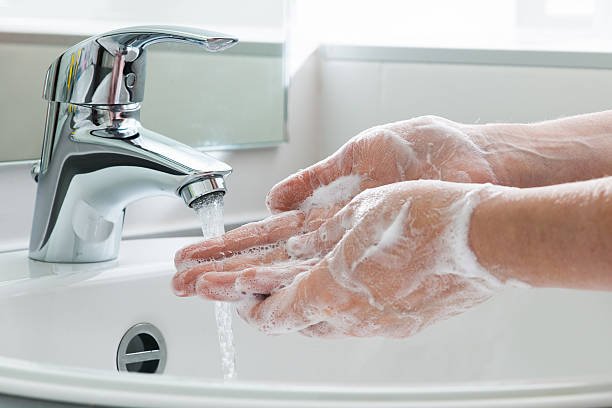
Health is a state of mental, physical and social wellbeing without necessarily the absence of an infirmity.
Hygiene are the conditions and practices we engage in order to stay healthy and prevent diseases. There are two types of hygiene I would like to point out which are;
-Personal or self-hygiene
-Environmental or domestic hygiene.
Hygiene plays a detrimental role in health, as it entails what we eat the state of what we consume, how we treat ourselves, the conditions in which we live in.
Poor hygiene and sanitation have been the cause of a lot of diseases such as skin diseases urinary tract and vaginal infections food poisonings and a whole lot more.
PERSONAL/SELF HYGIENE;
These are the things we do for our eternal body clean and healthy which also happen to affect our internal body.
It involves practices like taking regular baths at least twice a day, brushing your teeth in the morning and before going to bed, wearing clean and iron clothing, hand hygiene that is, washings hands regularly after certain activities such as, using the toilet, shaking hands, eating etc.
People with poor personal hygiene provide breathing grounds for bacterial and fungal growth which eventually lead to diseases.
1-Dental; This include brushing with toothpaste, flossing and taking regular trips to the dentist.
A lot of people haven’t really seen how important this practices are for the comfort of themselves and the people around them. It not only gives you a healthy mouth and great smile , it also creates atmosphere for conversations. This is done by brushing in the morning before meals and before going to bed at night using fluoride toothpaste. Remember to change your toothbrush after every 3-4 months.
Flossing helps removes particles suck in between teeth.
2-Body; this aspect involves how we clean ourselves, our clothes and personal items.
Good body hygiene is ensured by taking a bath at least twice a day with clean water and soap.
Drying off thoroughly with a clean towel, wearing clean clothes.
Women should be keener to this aspect with respect to periods.
Soaps and detergent that because irritation should be avoided they are most likely to kill our normal flora exposing us to other infections such as vaginal thrush for women.
Women on their period should change their tampons, sanitary pads or napkins every 5hours maximum. Ensure to wash your hands after handling these items.
Sharing of personal items is a big “don’t”. These items will include underwear, towels, hair combs and brush, toothbrush and to some extend clothing.
Besides taking regular thorough baths ensure to wash your hair properly and comb well, this doesn’t only keep it clean and off limits for germs or microbes but it also helps increase circulation which is good for you.
You may also need to get rid of pubis hair. Well this is sometimes optional with respect to genital hair as soon methods such as shaving may lead to irritation, causing shaving bumps which may be inconvenient.
Besides shaving trimming has proven to be a very good option when taking care of genital hair as there is minimum risk of irritation unless the tool used is not good. Under arm hair should be cleaned thoroughly and should be removed as they may not always be giving so much attention during cleaning and it tends to be a good starter for body odor .There are a lot of predisposing factors that cause body odor
-chemicals in sweat and other waste products of metabolism
-dirty cloths like underwear and socks
-Bacteria action on skin
Washing of hands regularly should be mandatory because they are devices used in personal contact.
Nails should be cleaned of trimmed neatly. We often tend to put fingers in our mouth unconsciously which give the germs it may harbor an opportunity to invade our internal body.
ENVIRONMENTAL HYGIENE
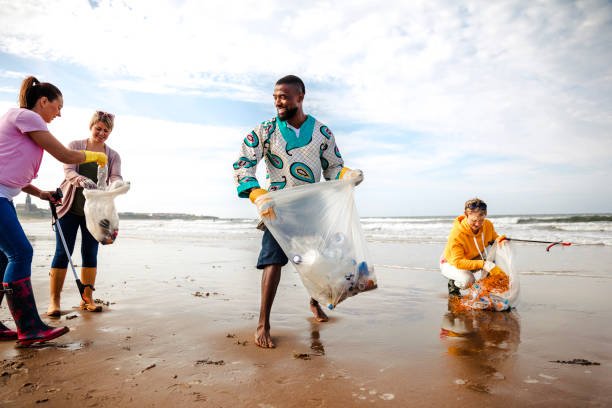
This refers to how we take care of our external environment that is, cleaning our homes, ensuring proper ventilation, proper garbage disposal.
Good environmental hygiene is not just for personal benefit or comfort but it is also beneficial to the people around and community in general.
Some of these practices include;
-Sweeping and dusting surfaces, mopping the floor
-Ensuring ventilation by opening windows, this not only ventilates but brings in sunlight which is good for the skin.
-Clearing bushes, filling puddles, proper garbage disposal.
-Washing foods properly with clean water before eating or cooking, covering cook food with a lid
Bushes and puddles are breeding ground for mosquitos which are vectors of malaria especially in the tropics.
Garbage are feasting grounds for flies and cockroaches which settle again on personal items and even the food we eat.
There are several factors that may hinder good hygiene which are;
-Poverty and lack of access to clean water.
-Also a person’s mental health can affect how they take care of themselves. This includes people living with mental health disorders such as; severe depression, psychotic disorders, severe drug and alcohol abuse. These person’s may face difficulties in keeping up with a good hygiene routine or practice.
Effects of poor hygiene include:
-Social interactions; a person with poor hygiene may live in isolation as other people may face difficulties or feel uncomfortable being around them. Maybe due to body odor, mouth odor, skin disease.
-Poor personal can also affect a person’s working life, a company may more likely offer a job or promote a person who can apparently take better care of their health with a good hygiene routine. Food industries in particular will not consider hiring people with poor personal hygiene and its related diseases such as; pubic lice, tooth decay, chronic diarrhea, head lice, athlete’s foot, body lice.



just the best ever